Tooth Bonding is one of the most effective and affordable ways to repair chips, cracks, and cosmetic imperfections, making it a popular choice among patients looking to enhance their smiles quickly. If you’ve been searching for a simple and natural-looking way to improve your teeth without invasive treatment, tooth bonding in Clark, NJ offers a powerful solution with impressive results.
In this guide, you’ll learn how tooth bonding works, who it’s for, what results you can expect, and why so many patients prefer it over other cosmetic treatments. You’ll also discover real transformations, tips for long-lasting results, and helpful links to continue your journey toward a more confident smile.
What Is Tooth Bonding?
Tooth bonding is a cosmetic dental procedure that uses a tooth-colored resin to repair minor imperfections including chips, cracks, gaps, and discoloration. Unlike major cosmetic treatments, bonding requires little to no enamel removal and can often be completed in a single visit.
During the procedure, your dentist applies a resin material that matches your natural tooth shade, sculpts it into shape, and hardens it with a special curing light. The result is a restored tooth that blends seamlessly with the rest of your smile.
This treatment is ideal for patients seeking a conservative solution that offers both beauty and functionality.
Why Tooth Bonding Has Become a Top Choice in Clark, NJ
Patients today want treatments that are fast, effective, and conservative. Tooth bonding checks all those boxes. Whether dealing with a chipped front tooth or uneven edges, bonding offers a quick fix that looks completely natural.
In addition, the procedure is:
- Pain-free and minimally invasive
- Completed in just one appointment
- Affordable compared to veneers or crowns
- Reversible in many cases
For residents looking for tooth bonding Clark options, this treatment remains one of the safest and most convenient cosmetic solutions available.
Common Tooth Issues Bonding Can Fix
Tooth bonding is highly versatile. Here are the most common issues it can correct:
1. Chipped or Broken Teeth
Small chips from biting something hard or minor accidents are the most common reason people seek bonding. The resin rebuilds the missing piece so that the tooth looks whole again.
2. Cracks or Hairline Fractures
While bonding cannot repair major structural fractures, it can disguise surface cracks and protect the enamel from further wear.
3. Gaps Between Teeth
Bonding can reshape teeth to close small spaces without braces.
4. Stains and Discoloration
Some discoloration doesn’t respond to whitening. Bonding covers these stains instantly.
5. Misshapen Teeth
Short, uneven, or worn-down teeth can be recontoured to improve symmetry.
Tooth Bonding vs Other Cosmetic Options
If you’re wondering whether tooth bonding is the best choice for your needs, here’s how it compares to other treatments:
Bonding vs. Dental Veneers
Bonding is cost-effective and quicker to apply, while dental veneers in Clark offer longer-lasting results and are more resistant to staining. Veneers are more invasive since they require enamel removal.
Bonding vs. Crowns
Crowns provide full coverage and structural support, making them ideal for severely damaged teeth. Bonding is better for surface-level cosmetic improvements.
Bonding vs. Orthodontics
Bonding can correct small gaps or misalignments, but Invisalign Clark NJ is the true solution for bite issues and crooked teeth.
How Tooth Bonding Works: Step-by-Step
The bonding procedure is straightforward and comfortable:
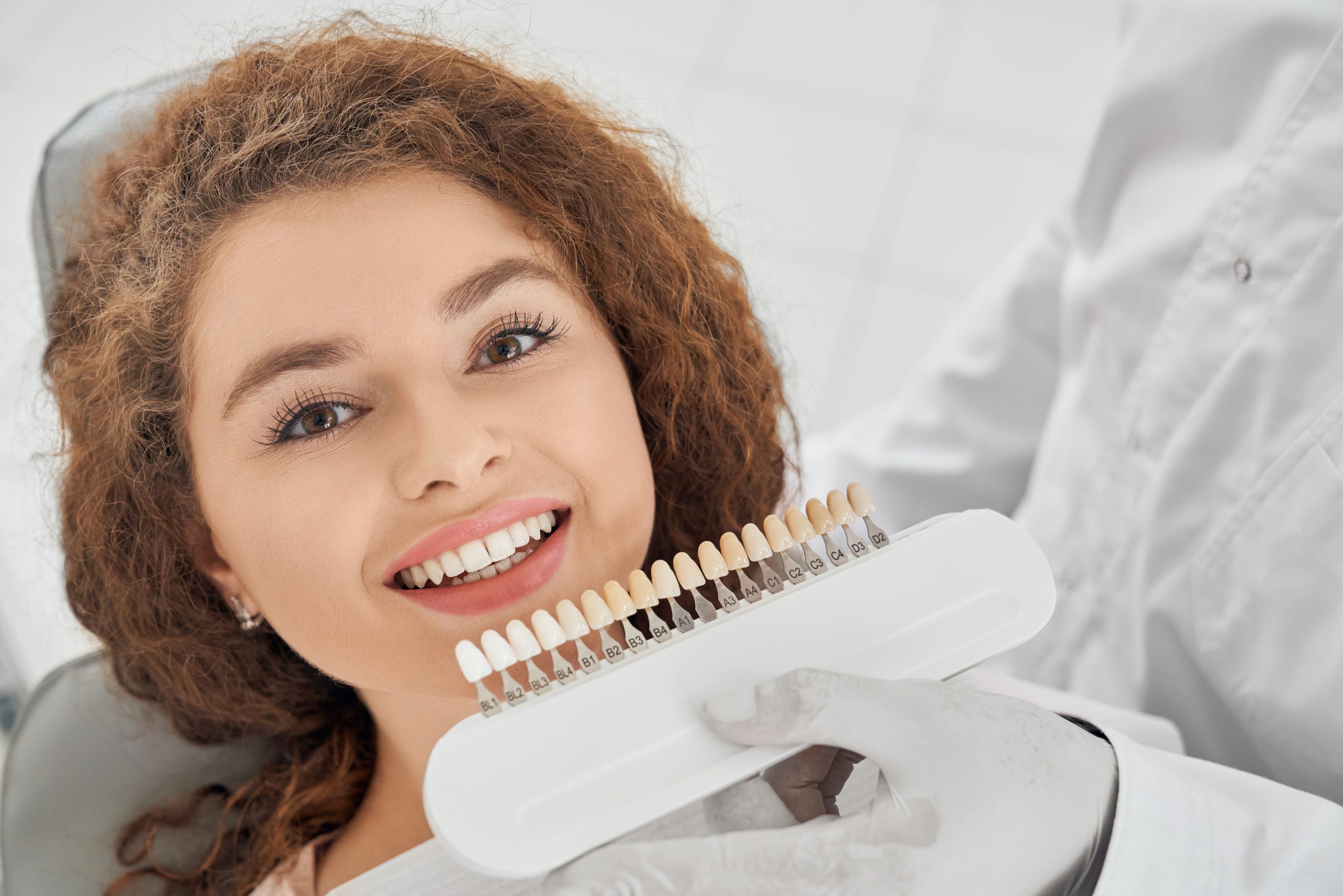
Step 1: Consultation & Shade Matching
The dentist examines your teeth and chooses a resin color that matches your natural enamel.
Step 2: Surface Preparation
In most cases, no anesthesia is needed. The tooth is lightly roughened to help the resin adhere.
Step 3: Application & Sculpting
A conditioning liquid is applied, followed by the resin. The dentist shapes it with precision.
Step 4: Hardening
A curing light is used to harden the material within seconds.
Step 5: Polishing
The final step is smoothing and polishing the tooth so it blends perfectly.
You leave the office with an instantly improved smile!
Real-Life Transformations: Big Results from Small Chips
Tooth bonding may be subtle, but the effects can be dramatic. Many patients report:
- Enhanced confidence
- Better symmetry
- More natural-looking teeth
- A brighter, smoother smile
Even small chips can make a tooth look uneven, worn, or aged. Bonding restores that lost volume effortlessly, improving both aesthetics and harmony.
For patients seeking the confidence boost referenced in phrases like Restore Your Smile and Confidence, bonding delivers exactly that.
How Long Does Tooth Bonding Last?
With proper care, bonding can last 5–10 years. Longevity depends on:
- Your oral hygiene
- Avoiding nail biting or chewing hard objects
- Keeping up with regular cleanings
- Scheduling touch-up polishing when needed
Bonding is strong, but not as durable as porcelain. Still, many patients love the flexibility and cost-effectiveness it offers.
Maintenance Tips for Bonded Teeth
To keep your bonded teeth looking great:
- Brush twice daily with a soft-bristle toothbrush
- Avoid dark staining foods for 48 hours
- Schedule regular cleanings and exams
- Wear a nightguard if you grind your teeth
- Avoid biting ice or very hard foods
With good care, your bonding will blend beautifully for years.
When Tooth Bonding Might Not Be Enough
While bonding is versatile, some cases require additional treatment. For example:
- Severe decay
- Deep cracks
- Large missing portions
- Significant misalignment
In such cases, crowns, veneers, or orthodontics may be recommended.
If you’re also exploring replacement options, implants clark may be relevant for tooth loss or extensive damage.
Why Choose a Skilled Cosmetic Dentist for Bonding
A successful bonding procedure depends heavily on your provider’s skill. A cosmetic dentist Clark NJ with experience in artistic shaping, shade matching, and symmetry will provide the best results.
Choosing a professional who understands every aspect of cosmetic and general dental care similar to choosing the Right General Dentist Clark NJ is crucial for long-lasting, beautiful results.
Personalized Care Matters
Your smile is unique, and so are your needs. A dentist who focuses on The Power of Personalized Periodontal Care and offers your Complete Guide to Quality Dental Care ensures better long-term outcomes not just a quick fix.
Final Thoughts: Tooth Bonding Can Transform Your Smile Starting Today
Tooth bonding is one of the simplest, most effective ways to enhance your appearance and restore your smile. Its speed, affordability, and natural results make it a favorite among patients looking for a quick transformation without major dental work.
Whether you want to fix minor chips or give your smile a fresh, polished look, tooth bonding in Clark, NJ can make a big difference with minimal effort.
If you’re ready to achieve a more confident and beautiful smile, scheduling a consultation with a trusted provider is the first step toward a brighter, more confident version of yourself. Your journey to a radiant, confident smile starts with a simple step. Book your consultation today and experience the difference personalized dental care can make.
FAQs
How long does tooth bonding last?
Tooth bonding typically lasts 5 to 10 years, depending on your oral hygiene, diet, and habits like nail biting or teeth grinding. With regular dental checkups and proper care, bonded teeth can last even longer.
Is tooth bonding painful?
No, tooth bonding is usually pain-free. Most patients do not need anesthesia unless the bonding is being used to fill a decayed tooth. The process is quick, comfortable, and minimally invasive.
Can tooth bonding fix gaps between teeth?
Yes! Tooth bonding is an effective way to close small gaps without braces. The resin material can be shaped to create a more even, balanced smile. For larger gaps, your dentist may suggest orthodontic options.
How do I take care of bonded teeth?
Care for bonded teeth the same way you care for natural teeth brush twice daily, floss regularly, and avoid biting hard foods or objects. You should also limit staining foods and drinks like coffee and wine, especially in the first 48 hours.
Is tooth bonding better than veneers?
Tooth bonding is a great option for small cosmetic fixes like chips, cracks, and discoloration. Veneers last longer and resist staining better, but they are more expensive and require enamel removal. Your dentist will recommend the best option based on your needs.