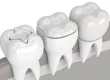
Implant Restoration is the final and most important step in completing a dental implant. It focuses on placing the visible tooth on top of the implant so your smile looks natural and works properly again. This stage improves comfort, chewing, and confidence. When done correctly, it supports long-term oral health and blends seamlessly with your natural teeth.
Patients considering implants clark often want to understand how restoration works and what to expect during the process.
Key Takeaways
- Implant Restoration completes the dental implant process
- It restores both function and appearance
- Several restoration types are available
- Proper healing improves long-term success
- Good aftercare protects your investment
What Is Implant Restoration?
Implant Restoration refers to placing the final tooth or teeth onto a dental implant. The implant itself acts like a tooth root, while the restoration becomes the visible part of the smile. This step is done only after the implant has fully healed and bonded with the jawbone.
Implant Restoration includes:
- A custom-made crown or prosthetic
- Secure attachment to the implant
- Natural shape and colour matching
- Full chewing and speaking function
How Implant Restoration Fits Into Implant Surgery
Implant Restoration comes after implant surgery and healing. Surgery places the implant into the jawbone. Over time, the bone bonds with the implant in a process called osseointegration. Once healing is complete, restoration begins.
The full implant journey includes:
- Implant surgery placement
- Healing process and bone bonding
- Abutment attachment
- Final restoration placement
Understanding the Healing Process Before Restoration
The healing process is essential for implant success. During this time, the implant becomes stable within the jawbone. Rushing restoration too early can affect long-term results.
Healing usually involves:
- Several weeks to months of recovery
- Reduced swelling over time
- Stable implant integration
- Clearance before restoration begins
Types of Implant Restoration Options
There are different restoration types based on your needs. Your dentist will recommend the best option for comfort, function, and appearance.
Common restoration types include:
- Single tooth crowns
- Implant-supported bridges
- Full-arch restorations
- Removable implant dentures
Step-by-Step Implant Restoration Process
Implant Restoration is carefully planned and completed in stages. Each step ensures comfort and accuracy.
The process includes:
- Checking implant stability
- Taking impressions or scans
- Designing the restoration
- Securing the final tooth
What Does Implant Restoration Feel Like?
Most patients report minimal discomfort during Implant Restoration. The procedure is gentle and often requires little numbing. The result feels natural once complete.
Patients often notice:
- Improved bite balance
- Natural tooth appearance
- Comfortable chewing
- Clear speech improvement
How Implant Restoration Improves Oral Health
Restoring a missing tooth helps protect surrounding teeth and bone. It also supports proper alignment and bite strength.
Oral health benefits include:
- Preventing bone loss
- Supporting neighbouring teeth
- Improving chewing efficiency
- Reducing uneven wear
Some patients later explore cosmetic options such as tooth bonding once implant treatment is complete.
Implant Restoration vs Other Tooth Replacement Options
Unlike removable options, implant restorations are fixed and stable. They feel closer to natural teeth and last longer with care.
Key differences include:
- No slipping or movement
- Long-term durability
- Natural appearance
- Strong bite support
Patients comparing options with a cosmetic dentist in clark often choose implants for long-term value.
Post-Care Tips After Implant Restoration
Post-care is simple but important. Good habits protect the implant and restoration.
Post-care tips include:
- Brush gently twice daily
- Floss around the implant
- Avoid biting hard objects
- Attend regular check-ups
This care also reduces the need for future Emergency Dental Care.
Long-Term Care for Implant Restorations
Implant restorations can last many years with proper care. Routine visits help monitor gum health and stability.
Long-term care includes:
- Professional cleanings
- Monitoring bite alignment
- Healthy diet choices
- Good daily oral hygiene
Patients treated at clark family dentistry often benefit from personalised long-term care plans.
Conclusion: Restore Your Smile with Confidence
Implant Restoration completes your dental implant journey by restoring strength, comfort, and appearance. It plays a vital role in protecting oral health and improving daily life. With proper care, implant restorations offer a reliable and lasting solution.
If you are exploring options like tooth colored fillings clark or researching Finding the Best Dentist in Clark, implant restoration may be the right step forward.
Contact today to schedule your consultation and restore your smile with confidence.
Frequently Asked Questions
1. What is implant restoration?
Implant Restoration is the final step of dental implant treatment. It involves placing a crown, bridge, or denture on top of the implant. This restores the look and function of the tooth, allowing you to eat, speak, and smile with confidence again.
2. How long does implant restoration take?
The restoration process usually takes a few appointments. However, it only begins after the implant has fully healed. Healing can take a few months, but the actual restoration stage is simple and does not take long once healing is complete.
3. Is implant restoration painful?
Implant Restoration is usually comfortable. Most patients feel little to no pain during the procedure. Numbing may be used if needed. Mild soreness can occur afterwards, but it normally goes away within a few days with proper care.
4. What types of restorations can be placed on implants?
Different restoration types are available based on your needs. These include single crowns, bridges, or full-arch restorations. Your dentist will recommend the best option based on your oral health, bite, and number of missing teeth.
5. How do I care for my implant restoration?
Caring for an implant restoration is similar to caring for natural teeth. Brush twice daily, floss around the implant, and attend